Makine Öğrenimi Kullanılarak Ürik Asit Böbrek Taşlarının Noninvaziv Olarak Belirlenmesi


International Conference on Endourology, Valencia, İspanya, 8 - 10 Ekim 2026, ss.108-109, (Tam Metin Bildiri)
- Yayın Türü: Bildiri / Tam Metin Bildiri
- Basıldığı Şehir: Valencia
- Basıldığı Ülke: İspanya
- Sayfa Sayıları: ss.108-109
- İstanbul Üniversitesi Adresli: Evet
Özet
Introduction & Objectives
Differentiating uric acid stones from other urinary stone types is crucial for non-invasive clinical management. This study aimed to develop a machine learning model for the accurate identification of uric acid stones using clinical, laboratory, and imaging data.
Materials & Methods
In this retrospective study, demographic, laboratory, urinalysis, 24-hour urine, and imaging data (CT and KUB) from patients with kidney stones followed at a tertiary university hospital and a secondary-care state hospital were analyzed. Missing values were imputed, categorical variables encoded, and clinically relevant features retained. Feature engineering included logarithmic transformations and derived variables. XGBoost, Random Forest, and Extra Trees classifiers were combined into a final ensemble model, with class imbalance addressed using SMOTE. Model performance was assessed using 5-fold stratified cross-validation and repeated holdout validation to reduce overfitting and improve model robustness. SHAP analysis was used to evaluate model interpretability.
Results
The final ensemble model demonstrated high performance in distinguishing uric acid stones (ROC-AUC: 91%, PR-AUC: 88%). Among 182 patients (uric acid: n=23; non–uric acid: n=159), accuracy was 84%, recall 87%, specificity 81%, precision 79%, and F1-score 83%. (Table 1) SHAP analysis identified HU, LDL, BMI, stone localization, and glucose as the most influential predictors (Fig. 1). Lower HU values were strongly associated with uric acid stones.
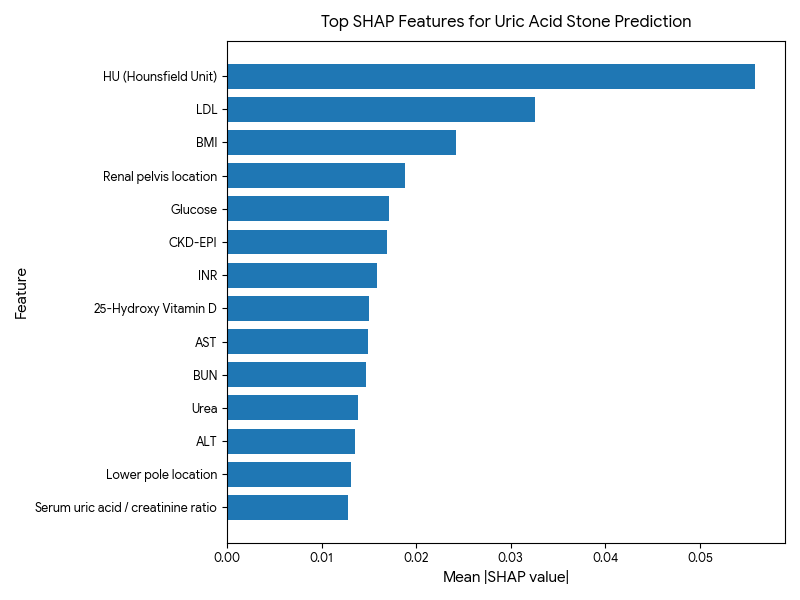
Figure 1. SHAP analysis of the final ensemble model
Table 1. Performance metrics of the model
Accuracy Recall Specificity Precision F1 Score ROC-AUC PR-AUC 84% 87% 81% 79% 83% 91% 88%
Conclusions
Machine learning models can accurately differentiate uric acid stones using non-invasive clinical and imaging data. This approach may assist clinicians in identifying uric acid stones prior to stone analysis and support individualized treatment planning.